Understanding the consequences of delayed payments
Late payments cost Australian small businesses dearly. Here is why cash flow matters, how delayed payments affect your business, and what you can do to get paid on time.

Short answer: late payments starve a small business of the cash it needs to pay suppliers, staff and bills, limit its ability to grow, strain supplier relationships and soak up time chasing invoices. Making it easy for customers to pay, by card, online and by direct debit, is one of the most effective ways to protect your cash flow.
The scale of the problem
Some small businesses struggle to stay afloat when faced with cash flow problems. Data reported in 2023 showed the median payment time from big businesses to SMEs is 30 days, a figure that had not moved in several years.
With interest rates rising, SMEs face further uncertainty. The good news is that there are ways around cash flow problems, and B2Bpay can help. Here is why cash flow matters so much, and how to reduce the impact of delayed payments.
Why your cash flow is important
Cash flow is the lifeblood of any business. It funds your operations, keeps the doors open and lets you take up growth opportunities. For a small business owner, it largely decides whether the business stays afloat.

- Meeting your obligations. Healthy cash flow means you can pay suppliers, cover overheads and meet payroll. Falling behind can damage important relationships and your reputation, and can ultimately lead to the failure of the business.
- A buffer against the unexpected. Every business carries risk. Strong cash flow lets you absorb unexpected expenses and adapt to market changes without being thrown off course.
- Riding out the economy. When this article was first published in June 2023, interest rates had risen above 4%, which made a steady cash flow vital to get through the challenges ahead.
- Fuel for growth. Expanding your product line, investing in marketing, buying new equipment or hiring staff all depend on robust cash flow.
- Peace of mind. Without the stress of financial uncertainty, you can focus on what matters most: running your business, serving your customers and building your vision.
The impact of late or delayed payments
Late payments are a long-running problem for Australian small businesses, and they affect a business in several ways.
Ripple effects of cash flow disruption
When invoices go unpaid, a gap opens between the money you need to meet your obligations and the funds you actually have. That gap ripples through the business:
- Without enough funds to manage inventory, you may not be able to meet customer demand, which can damage your reputation.
- Your finance team struggles under a pile of unpaid invoices, bills, expenses and even salaries, which makes financial planning extremely difficult.
- Delayed salaries hurt staff morale, reduce productivity and make it harder to keep good people.
There are ways around disrupted cash flow, such as using accounting software to forecast outcomes and a secure payment provider that encourages customers to pay on time.
Limited working capital to grow
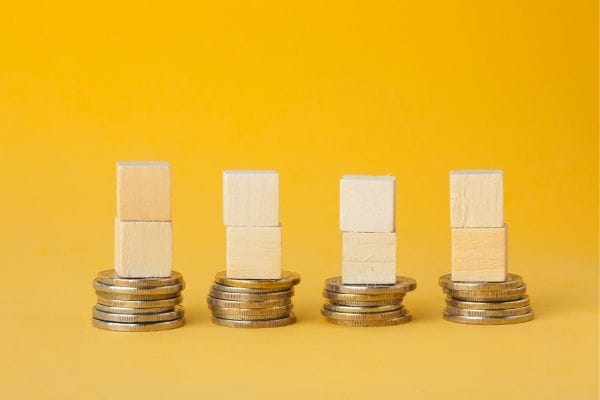
Small businesses rely on consistent cash flow to fund day-to-day operations. When payments are delayed, there is less money to invest in the resources you need to grow.
And businesses need to grow to survive. As the world changes, SMEs need to adopt new technology, replace outdated equipment and invest in platforms that streamline operations and lift productivity. Without the money to do so, they risk being left behind.
It also means fewer chances to act on opportunities as they arise. Marketing is harder without proper financial planning, and expanding into new markets or launching new products becomes almost impossible.
Strained supplier relationships
Limited working capital can leave you without the money to pay your own suppliers or bills on time. Your suppliers have financial obligations too, so consistently late payments create tension. Over time this can cut off your access to essential supplies, or lead to higher costs and lower-quality goods and services.
Increased administrative burden
Chasing late payments takes time and resources that small businesses cannot spare, and it hits them more often than their larger competitors. Research published by FinTech Australia shows 11.6% of small construction businesses have payments more than 60 days late, compared with 2.3% of large businesses.
Small business owners end up in a maze of emails, phone calls and reminders trying to get paid, which drags down productivity everywhere else. That is why it pays to put a solution in place.

How B2Bpay can help
B2Bpay is an Australian payment provider that gives you several ways to reduce the burden of late payments and keep your cash flow healthy.
Accept card payments with ease
Let customers pay your invoices by Visa, Mastercard or American Express, as well as Apple Pay, Google Pay, PayTo and bank account. More ways to pay means more flexibility and convenience for your clients, which encourages prompt payment and reduces the risk of delays. See accept card payments.
Streamlined invoicing
B2Bpay integrates with popular accounting software, including Xero, MYOB and QuickBooks. Send professional invoices in a few clicks, with automated reminders that prompt customers to pay on time.
Improved cash flow with direct debits
Using B2Bpay improves cash flow for 73% of businesses, reducing bad debt and cutting payment chasing by 61%. Customers can pay 24/7 with instant payments. As a B2Bpay Biller, you can also set repeat customers up on direct debit through a simple online form. Once a business has authorised it, automatic payments mean it never falls behind again.
Enhanced security
B2Bpay protects your and your customers' payment data with robust encryption and strict compliance standards, including PCI DSS, so payment information stays secure and confidential. See Is B2Bpay safe?
Valuable rewards
B2Bpay's rewards program earns Qantas Points for your business on every payment made through B2Bpay, a reward for all your hard work. You can earn points beyond the limits set by your card issuer, and you can even earn points when you receive payments. See paying suppliers with a credit card.
Try B2Bpay today

Take control of your business's finances and say goodbye to late payments. With simple payment options, streamlined invoicing and a focus on your cash flow, B2Bpay is a trusted partner against the damaging effects of late payments.
Do not let delayed invoices hold your business back. Try B2Bpay and build a future of stability, growth and success.
First published 14 June 2023. Statistics and interest rates are as reported at the time; follow the linked sources for current figures.
Frequently asked questions
How long do big businesses take to pay small businesses?
Data reported in 2023 put the median payment time from big businesses to SMEs at 30 days, a figure that had not changed in several years.
How can I reduce late payments from my customers?
Make it easy to pay. Accept card payments online, add a payment link to your invoices, send automated reminders and set repeat customers up on direct debit. B2Bpay supports all of these.
Can my customers pay me by direct debit through B2Bpay?
Yes. As a B2Bpay Biller you can set repeat customers up on direct debit through an online form. Once they authorise it, their payments are made automatically.
Can I earn Qantas Points when I get paid?
Yes. B2Bpay lets you earn Qantas Points for your business when you make payments and when you receive them. Call 1300 205 575 to check how it applies to your business.
Stop chasing late payments
Accept card payments online, set up direct debits and earn Qantas Points when you get paid.